
Mental clarity is usually discussed as if it lives entirely above the neck — a matter of thoughts, willpower, and discipline. But the mind doesn’t function separately from the body it inhabits. In fact, some of the most direct paths back to clarity run through physical actions that have nothing to do with thinking at all.
The 90-Second Rule for Emotions
Neuroscientist Dr. Jill Bolte Taylor discovered that the physiological lifespan of an emotion — the actual neurochemical surge behind it — lasts only about 90 seconds. Past that window, the emotion only continues if the mind actively reignites it through rumination.
- The Habit: Next time frustration or anxiety rises, quietly name it — “there is frustration” — and observe it as a physical sensation for 90 seconds without building a story around it. This isn’t suppression; it’s simply letting the feeling finish its biological cycle.
Protecting Your “Processing Time”
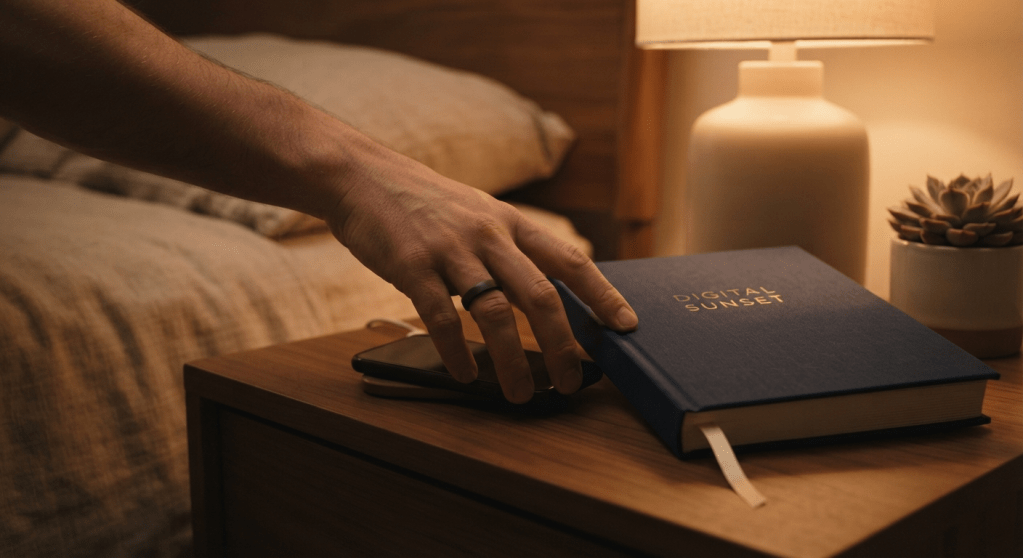
The hours surrounding sleep are when your brain does the heavy lifting of memory consolidation and emotional processing. Flooding the mind with new input right up until bedtime undermines this process.
- The Habit: Set a “digital sunset” 60–90 minutes before sleep. Replace screens with gentle activities—stretching, a warm drink, or reading a physical book—to give your brain the space it needs to finish processing the day.
Movement as a Mental Reset
A Stanford study found that walking at your own pace without a destination boosted creative thinking by up to 81%. The rhythmic, bilateral motion of walking helps consolidate scattered thoughts and lowers cortisol in a way that sitting still cannot match.
- The Habit: Try a 20-minute walk with no headphones and no phone. A walk without a destination is, in its own way, a walk toward yourself.

The “Rest and Digest” Reset
The vagus nerve, the primary communication line between your gut and brain, triggers your body’s “rest and digest” state. Eating while distracted or scrolling keeps your nervous system stuck in a state of low-level alertness.
- The Habit: Eat just one meal a day sitting down, away from all screens. Eating slowly enough to actually taste your food triggers a neurological reset that improves your cognitive performance for the rest of the afternoon.
Reclaiming Clarity
None of these practices ask you to “think” your way into clarity. They ask you to acknowledge that your body played a part in losing it, and that it is just as capable of helping you get it back. Clarity isn’t just a mental state; it is a physical rhythm you choose to return to.
Clarity was never just in your head. It was always something your whole body had to agree to.
Micro-Habits for Mental Clarity brings the two back into the same rhythm.
And if you’d like to walk this journey with me, week by week, join the mailing list below — as a small welcome, you’ll receive a short reflection guide to help you begin.
 Equilibrium Way